
This comprehensive article delves into the core tenets of a robust Management Policy, examining its critical role in shaping organizational success. We will explore how a well-defined policy not only guides daily operations but also fosters a culture of excellence, integrity, and continuous improvement across all facets of a business, from Daily Tours to Package Tours and Car Transfer services.
Understanding the Foundation of a Management Policy
A Management Policy serves as the bedrock upon which an organization's operations, decisions, and strategic direction are built. It is a formal statement that outlines the overarching principles, objectives, and rules that govern how a company conducts its business. In the dynamic and competitive landscape of tourism, particularly for entities offering services such as Daily Tours, Package Tours, and Car Transfer, a clear and effective Management Policy is not merely a procedural document; it is a strategic imperative. It ensures consistency, quality, and a unified approach across all departments and customer touchpoints.

Key Components of an Effective Management Policy
A comprehensive Management Policy typically encompasses several key areas, each contributing to the overall efficacy and ethical standing of the organization. These components are designed to provide a framework for decision-making, operational execution, and performance management.
Vision, Mission, and Values
At the heart of any Management Policy are the organization's vision, mission, and core values. The vision articulates the aspirational future state, while the mission defines the purpose and primary objectives of the company. Core values represent the fundamental beliefs and ethical principles that guide behavior and decision-making. For a tourism company, these might include a commitment to customer satisfaction, cultural respect, environmental sustainability, and the provision of authentic experiences.
Quality Management
A robust Management Policy must include a clear commitment to quality. This involves setting standards for service delivery, ensuring the safety and comfort of clients, and establishing mechanisms for feedback and continuous improvement. For Daily Tours, this means punctual pick-ups, knowledgeable guides, and well-planned itineraries. For Package Tours, it extends to the seamless coordination of all components, from accommodation to activities. Car Transfer services must prioritize reliability, professionalism, and the highest safety standards for passengers.
Customer Service Excellence
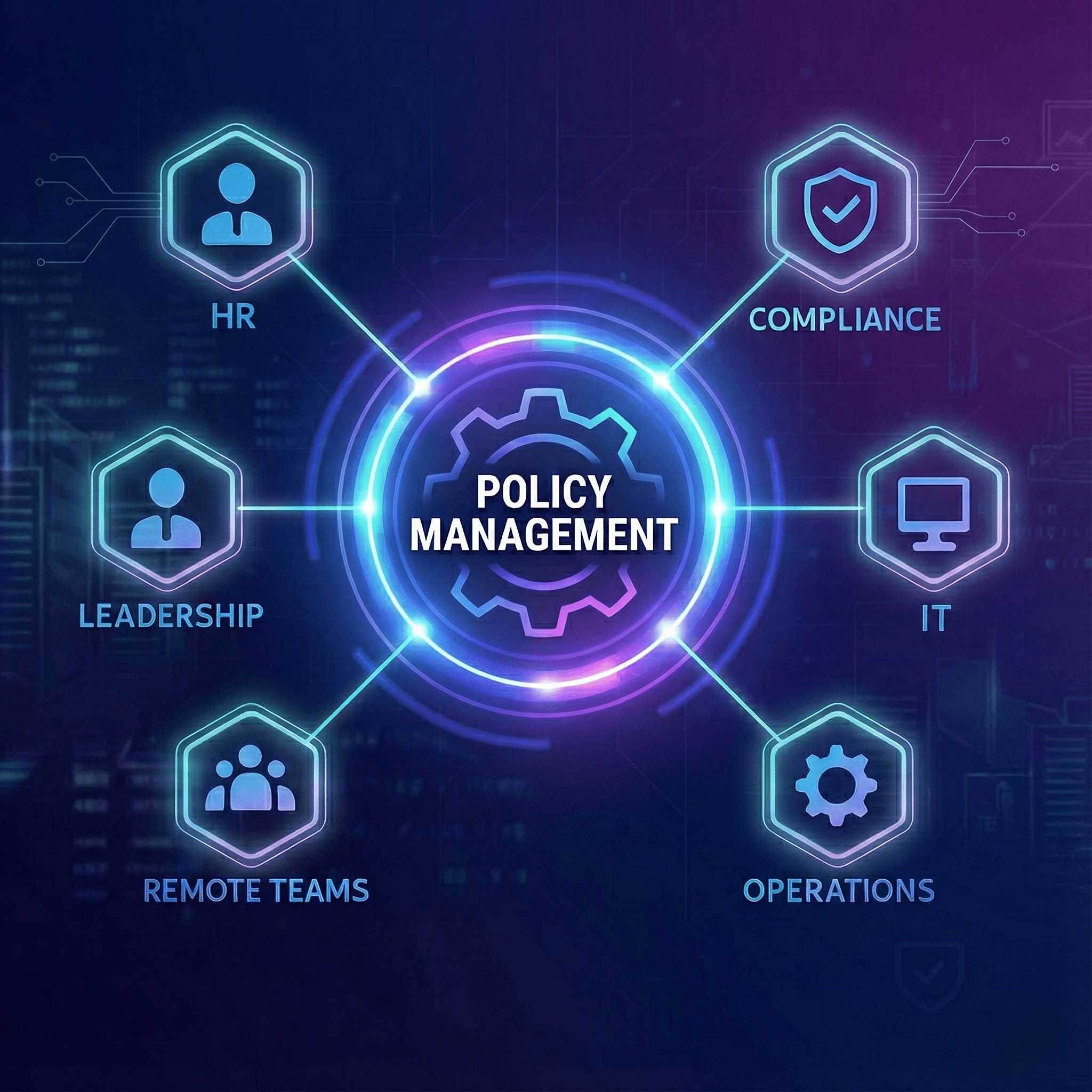
Customer satisfaction is paramount in the service industry. The Management Policy should outline the organization's approach to customer service, emphasizing responsiveness, personalization, and problem resolution. This includes clear communication channels, staff training in customer interaction, and a proactive approach to meeting and exceeding customer expectations. Every interaction, from initial inquiry to post-tour feedback, should reflect a commitment to creating positive and memorable experiences.
Health and Safety Standards
The well-being of both customers and employees is a non-negotiable aspect of a responsible Management Policy. This involves implementing and adhering to stringent health and safety protocols relevant to the services offered. For tours and transfers, this could include vehicle maintenance, driver training, emergency procedures, and adherence to local health guidelines. Ensuring a safe environment is critical for building trust and maintaining a reputable brand.
Ethical Conduct and Compliance
A strong Management Policy will mandate ethical conduct in all business dealings. This covers fair employment practices, honest marketing, respect for intellectual property, and compliance with all relevant laws and regulations. In the context of tourism, it also includes respecting local cultures, traditions, and the environment. Promoting transparency and integrity fosters a positive organizational culture and enhances reputation.
Human Resources Management
The policy should address the management of human resources, including recruitment, training, performance evaluation, and employee development. A motivated and skilled workforce is essential for delivering high-quality services. Investing in employees through training and creating a supportive work environment leads to increased productivity and customer satisfaction.
Implementing and Enforcing the Management Policy

A Management Policy is only effective if it is properly implemented and consistently enforced throughout the organization. This requires a systematic approach to ensure that every employee understands their role in upholding the policy's principles.
Communication and Training
The policy must be clearly communicated to all employees, from senior management to frontline staff. This can be achieved through onboarding programs, regular training sessions, and accessible documentation. Training should focus not only on the content of the policy but also on its practical application in daily tasks and customer interactions related to Daily Tours, Package Tours, and Car Transfer services.
Leadership Commitment
Leadership plays a crucial role in embedding the Management Policy into the organizational culture. Managers and supervisors must not only adhere to the policy themselves but also champion it, holding their teams accountable. A visible commitment from the top sets the tone for the entire organization.
Monitoring and Review
The effectiveness of the Management Policy should be regularly monitored. This can involve performance metrics, customer feedback, internal audits, and employee surveys. The policy should be a living document, subject to periodic review and updates to ensure its continued relevance and effectiveness in response to changing market conditions, regulatory requirements, and organizational growth.
Accountability and Consequences
Clear lines of accountability must be established for adherence to the policy. The policy should also outline the consequences of non-compliance, ensuring that disciplinary actions are fair and consistent. This reinforces the importance of the policy and encourages a culture of responsibility.
The Impact of a Strong Management Policy on Service Delivery
A well-articulated and diligently applied Management Policy has a profound positive impact on the quality and consistency of services offered by a company. For businesses specializing in Daily Tours, Package Tours, and Car Transfer, this translates directly into enhanced customer experience and competitive advantage.
Enhanced Customer Trust and Loyalty
When customers consistently receive high-quality, safe, and reliable services, they develop trust in the brand. A clear Management Policy ensures that these standards are met across all touchpoints, leading to increased customer satisfaction, positive reviews, and repeat business. This is particularly crucial in the tourism sector, where word-of-mouth and online reputation are vital.
Operational Efficiency and Consistency
By providing clear guidelines and procedures, a Management Policy streamlines operations. This reduces ambiguity, minimizes errors, and ensures that services are delivered consistently, regardless of which employee is involved. For Package Tours, this means meticulous planning and execution; for Daily Tours, it means predictable and enjoyable experiences; and for Car Transfer, it signifies reliable and punctual transportation.
Risk Mitigation
A comprehensive policy that includes robust health, safety, and compliance measures helps to mitigate various risks. This can include financial risks associated with legal liabilities, reputational damage from service failures, or operational disruptions. Proactive risk management is a hallmark of professional organizations.
Employee Engagement and Performance

A well-defined Management Policy that emphasizes fairness, respect, and development can significantly boost employee morale and engagement. When employees understand the expectations and feel supported, they are more likely to perform at their best, contributing to the overall success of the organization.
Conclusion
In summary, a Management Policy is more than just a set of rules; it is a strategic tool that shapes organizational culture, guides decision-making, and ensures the consistent delivery of high-quality services. For companies operating in the competitive tourism sector, like those offering Daily Tours, Package Tours, and Car Transfer, a robust and actively managed policy is indispensable for achieving operational excellence, building customer loyalty, and ensuring long-term success. It forms the essential framework for navigating the complexities of the business while upholding the highest standards of professionalism and integrity.
- Address: 71 Dao Duy Tu Street, Hoi An City, Quang Nam Province, Vietnam.
- Hotline: 096 2350820
- Email: thao.hoianlocaltours@gmail.com
- Website: hoianlocaltours.com