Why Book a My Son Sanctuary Tour?
Nestled in a lush, green valley surrounded by ringed hills, the ancient ruins of My Son Sanctuary whisper secrets of a long-lost empire. For travelers visiting Central Vietnam, this UNESCO World Heritage site is far more than just a collection of weathered red-brick temples; it is a profound spiritual landscape. Yet, simply walking among these ancient structures without context can leave you seeing nothing but broken stones. If you want to truly connect with the soul of this sacred site, you might wonder: Why Book a My Son Sanctuary Tour? The answer lies in the deep layers of history, the rich cultural heritage, and the sensory journey that bridges the ancient Champa Kingdom with modern Vietnamese life.
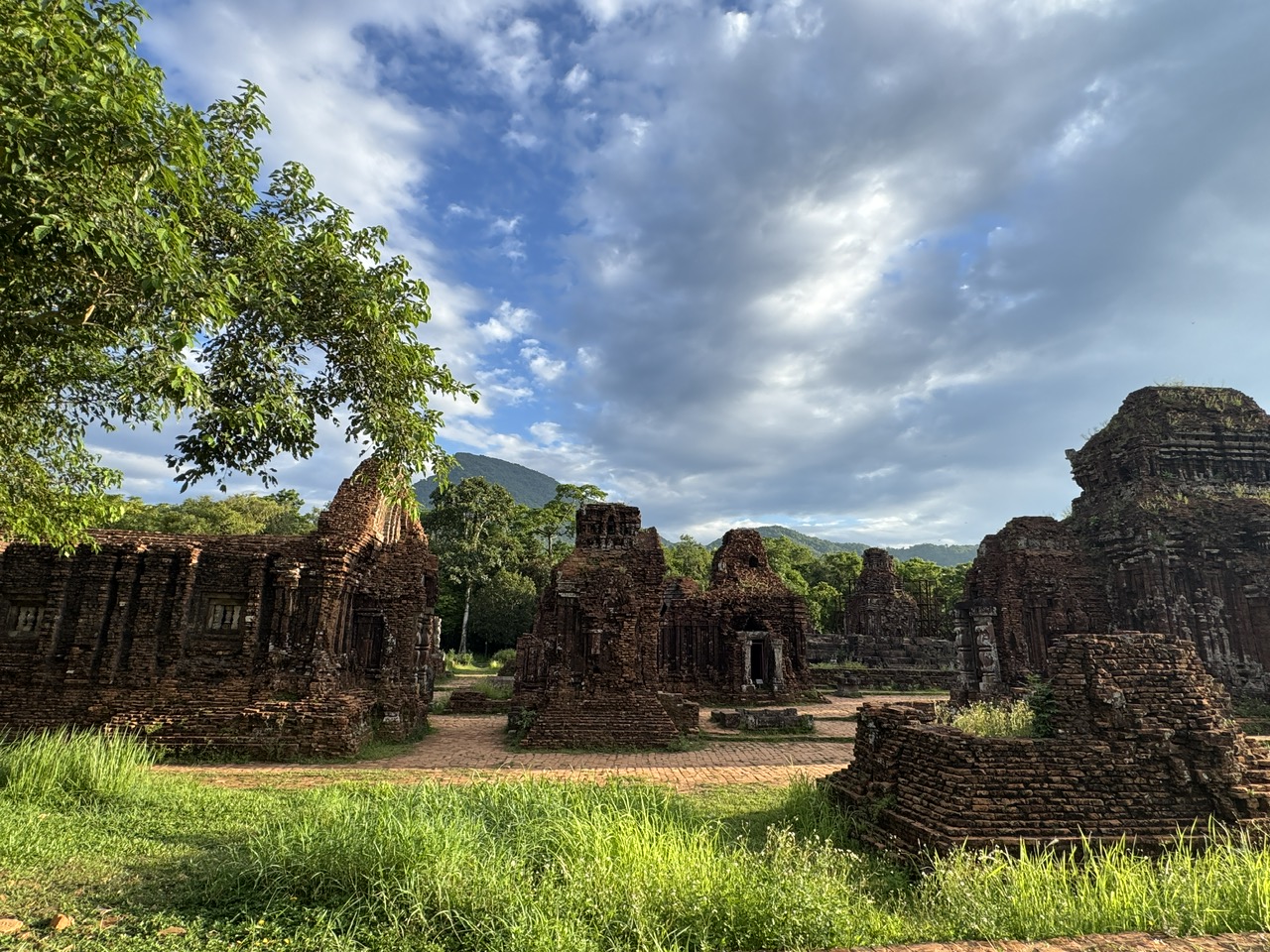
A Journey Back in Time: The Historical and Cultural Values of My Son Sanctuary
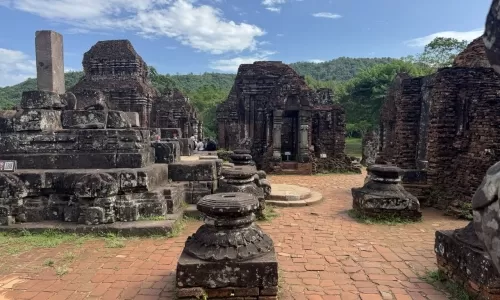
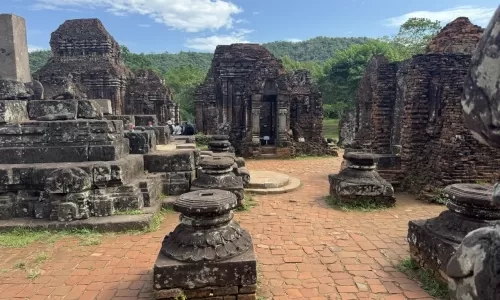
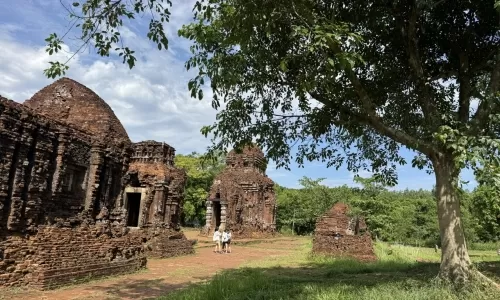
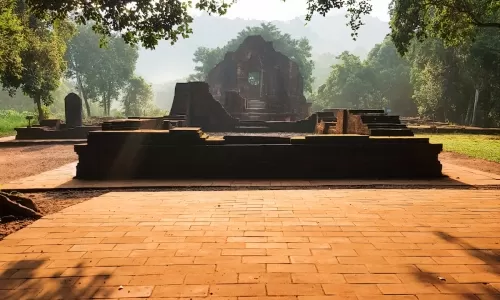
Between the 4th and 14th centuries, My Son served as the religious and political capital of the Champa Kingdom. Dedicated to the worship of the Hindu god Shiva, this valley was the final resting place for Cham royalty and national heroes. The historical and cultural values of My Son Sanctuary are etched into every single brick, showing the incredible sophistication of a civilization that thrived parallel to the Khmer Empire of Angkor.
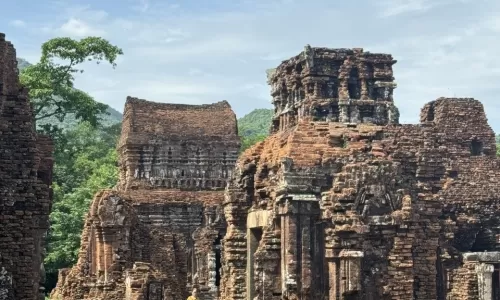
What makes these structures truly extraordinary is their architectural genius. The Cham people built these towering temples using red bricks fired at precise temperatures, fitting them together without any visible mortar. Even after centuries of exposure to tropical monsoons, wars, and bombings, many of these towers still stand, holding secrets that modern architects still struggle to fully replicate. French archaeologists who rediscovered the site in 1898 categorized the ruins into different groups (A, B, C, D, etc.), each representing a distinct era of Champa art. Walking through the sanctuary, you will feel the weight of centuries, observing how the intricate carvings of deities, dancers, and sacred animals tell a story of a civilization that once dominated the coastal trade routes of Southeast Asia.
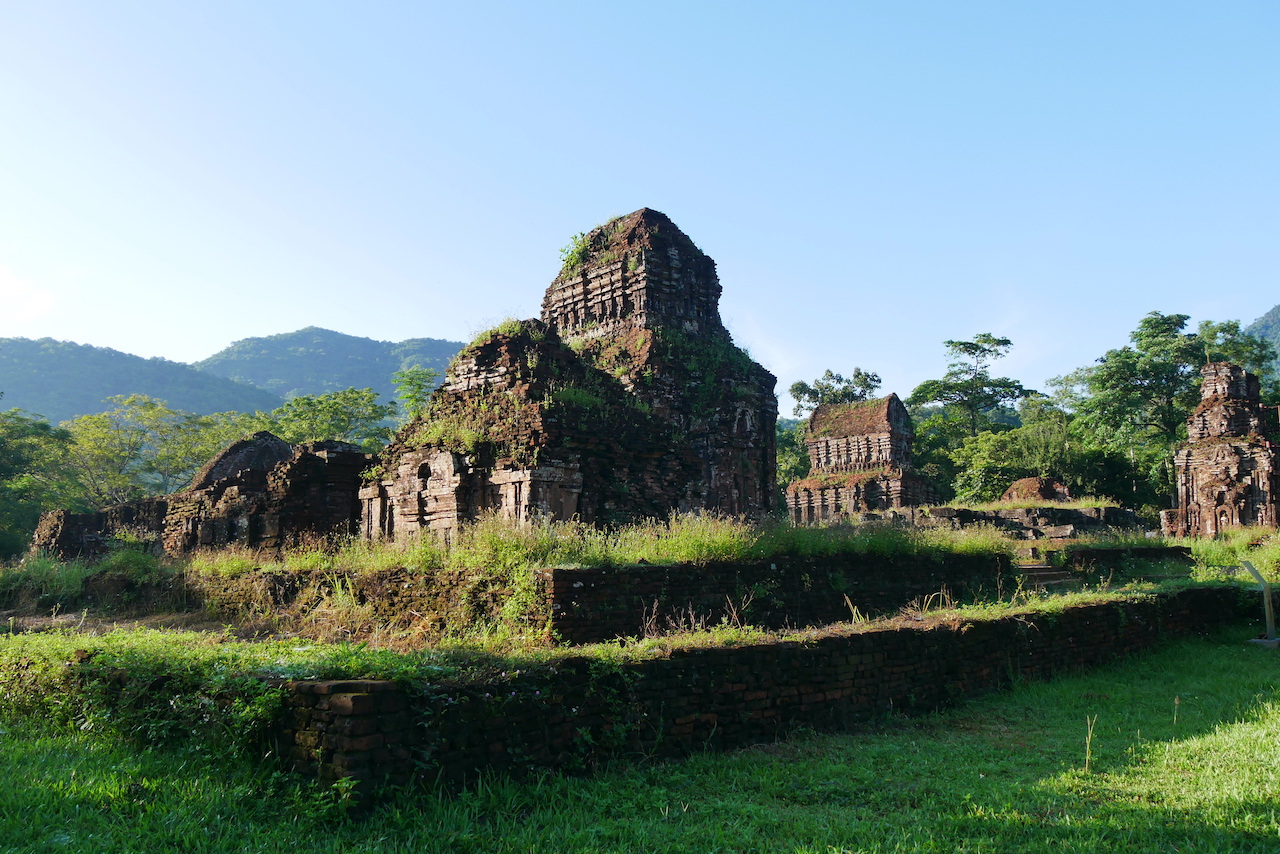
Unlocking Secrets: The Tour with Knowledgeable English Speaking Guides
To the untrained eye, My Son can look like a beautiful but baffling maze of ruins. You might miss the subtle carvings of the elephant god Ganesha, or fail to understand why certain temples face east toward the rising sun. This is where professional guidance becomes indispensable. Booking the tour with knowledgeable English speaking guides to help understand deep into the ancient history completely transforms your visit from a simple sightseeing trip into an immersive journey through time.
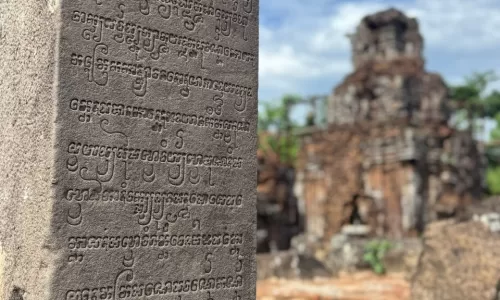
An expert guide does not just recite dates and dynasties; they paint a vivid picture of the past. They will show you the bomb craters left from the war, explain the sacred rituals that took place inside the dark sanctuaries, and decipher the Sanskrit and Cham inscriptions carved into the stone steles. With a local expert by your side, you will learn about the spiritual cosmology of the Cham people, understanding how they viewed the universe and their place within it. They can point out the distinction between the original 1,000-year-old bricks and the modern restoration efforts, giving you a deep appreciation for the ongoing preservation of this global treasure.
Echoes of Champa in Modern Central Vietnam
The influence of the Champa Kingdom did not vanish when the empire fell; instead, it dissolved into the daily life, cuisine, and language of modern-day Central Vietnam. Exploring My Son allows you to trace these threads and see how ancient history still breathes in the region today.
The Remainants of Champa Culture in Local Food
One of the most delicious ways to experience this historical connection is through your taste buds. You can easily find the remainants of Champa culture in local food throughout the Quang Nam province. The Cham people were masters of using local spices, wild herbs, and seafood, heavily influencing the culinary landscape of Central Vietnam. Dishes like My Quang (Quang-style noodles) with its rich, turmeric-infused broth, and various steamed rice cakes wrapped in banana leaves, bear the culinary DNA of ancient Cham cooking techniques. The preservation of intense, savory flavors and the balance of fresh herbs are direct legacies of a culture that lived in harmony with the coastal land and sea.
Melodies of the Land: Accents in Central Vietnam
As you travel from the north of Vietnam down to the central region, you will notice a dramatic shift in how the language sounds. The unique, deep, and highly localized accents in Central Vietnam are a fascinating linguistic puzzle. Many historians and linguists believe that the heavy tones, distinct vocabulary, and rhythmic cadence of the central dialect were heavily influenced by the historical blending of the Viet people migrating south and the indigenous Cham population. Hearing the locals speak in Hoi An or Da Nang is like listening to an oral archive—a living testament to centuries of cultural integration.
Choosing Your Perfect Way to Explore: Daily Tours, Package Tours, or Car Transfers
Depending on your travel style, budget, and schedule, there are several ways to experience this mystical sanctuary. Understanding the differences between daily tours, package tours, and car transfers will help you plan the perfect itinerary.
- Daily Tours: Perfect for solo travelers, couples, or small groups who want a structured, social, and budget-friendly experience. These tours usually include round-trip transport, entrance fees, a scenic boat trip on the Thu Bon River, and a guided walk through the ruins.
- Package Tours: If you prefer a seamless, hassle-free vacation, a package tour combines My Son with other regional highlights like Hoi An Ancient Town, Marble Mountains, or Ba Na Hills. Everything is taken care of, from accommodation to expert guides.
- Car Transfer: For ultimate flexibility and comfort, booking a private car transfer allows you to set your own schedule. You can leave early to catch the sunrise before the tour buses arrive, stop for photos along the countryside roads, and explore the sanctuary at your own pace.
Practical Tips for an Unforgettable My Son Experience
To make the most of your adventure, keep these essential tips in mind:
- Beat the Heat: The valley can get incredibly hot and humid by mid-day. Opt for an early morning tour (starting around 5:00 AM to 5:30 AM) to experience the cool morning air and witness the sunrise breaking through the mist over the temple towers.
- Dress Appropriately: My Son is still considered a sacred spiritual site. Wear clothing that covers your shoulders and knees out of respect for the local culture.
- Stay Hydrated: Bring a reusable water bottle, wear sunscreen, and carry an umbrella or a hat to protect yourself from the tropical sun.
- Support Local Artists: Don't miss the traditional Cham dance performances held daily near the entrance of the sanctuary. It is a beautiful way to see Champa art come to life through music and movement.
My Son Sanctuary is not just a destination; it is an evocative encounter with a civilization that shaped the history of Southeast Asia. By booking a structured tour, you do more than just visit a site—you unlock the stories, tastes, and sounds that make Central Vietnam one of the most culturally rich regions on earth. Let the history wash over you, feel the ancient energy of the bricks, and create memories that will last a lifetime.
HOI AN LOCAL TOURS CO., LTD
Địa chỉ: 16 Tân Chánh Hiệp 10, Phường Tân Chánh Hiệp, Quận 12, TP.HCM
Hotline: +84962350820
Điện thoại: +84962350820
Email: thao.hoianlocaltours@gmail.com
Website: hoianlocaltours.com