Code tour: MS03
Visit My Son Sanctuary as a pilgrim
Embarking on a journey to My Son Sanctuary offers a profound experience that transcends mere sightseeing. While many visitors are drawn to its historical significance and architectural marvels, a deeper, more contemplative exploration reveals the spiritual essence of this UNESCO World Heritage site. This guide aims to help you Visit My Son Sanctuary as a pilgrim, uncovering the sacred narratives and resonating with the ancient Champa civilization’s devotion.
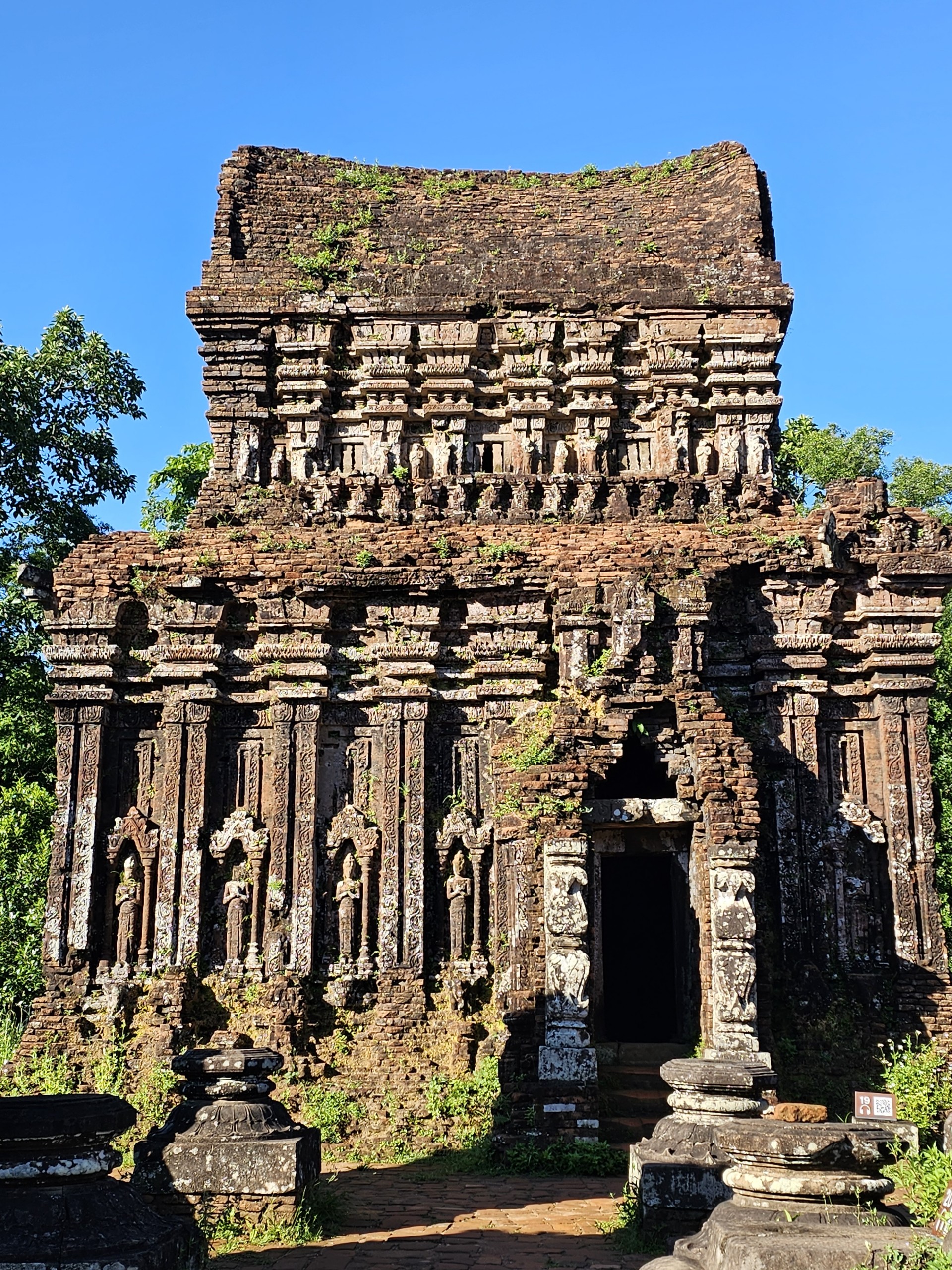
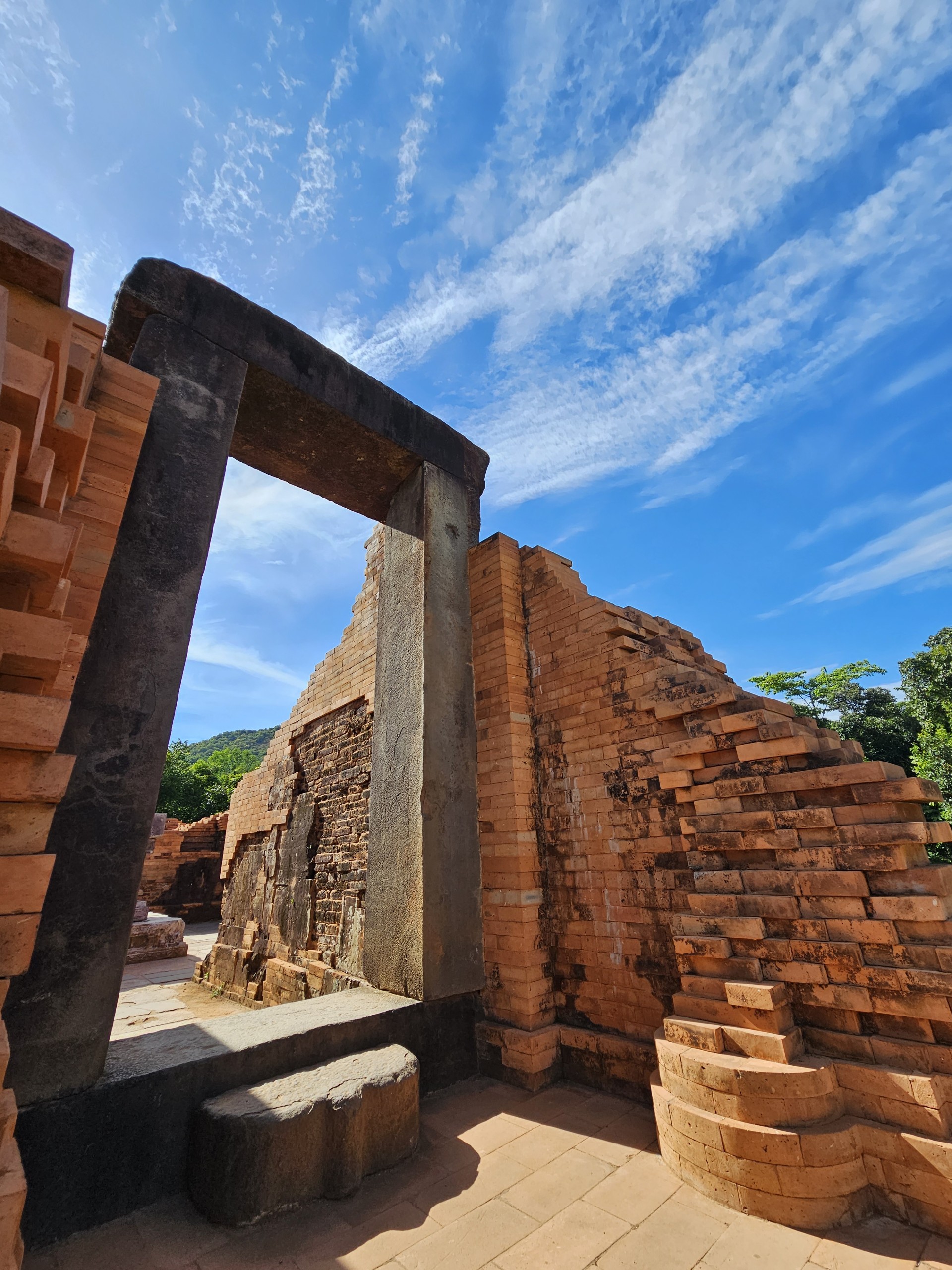
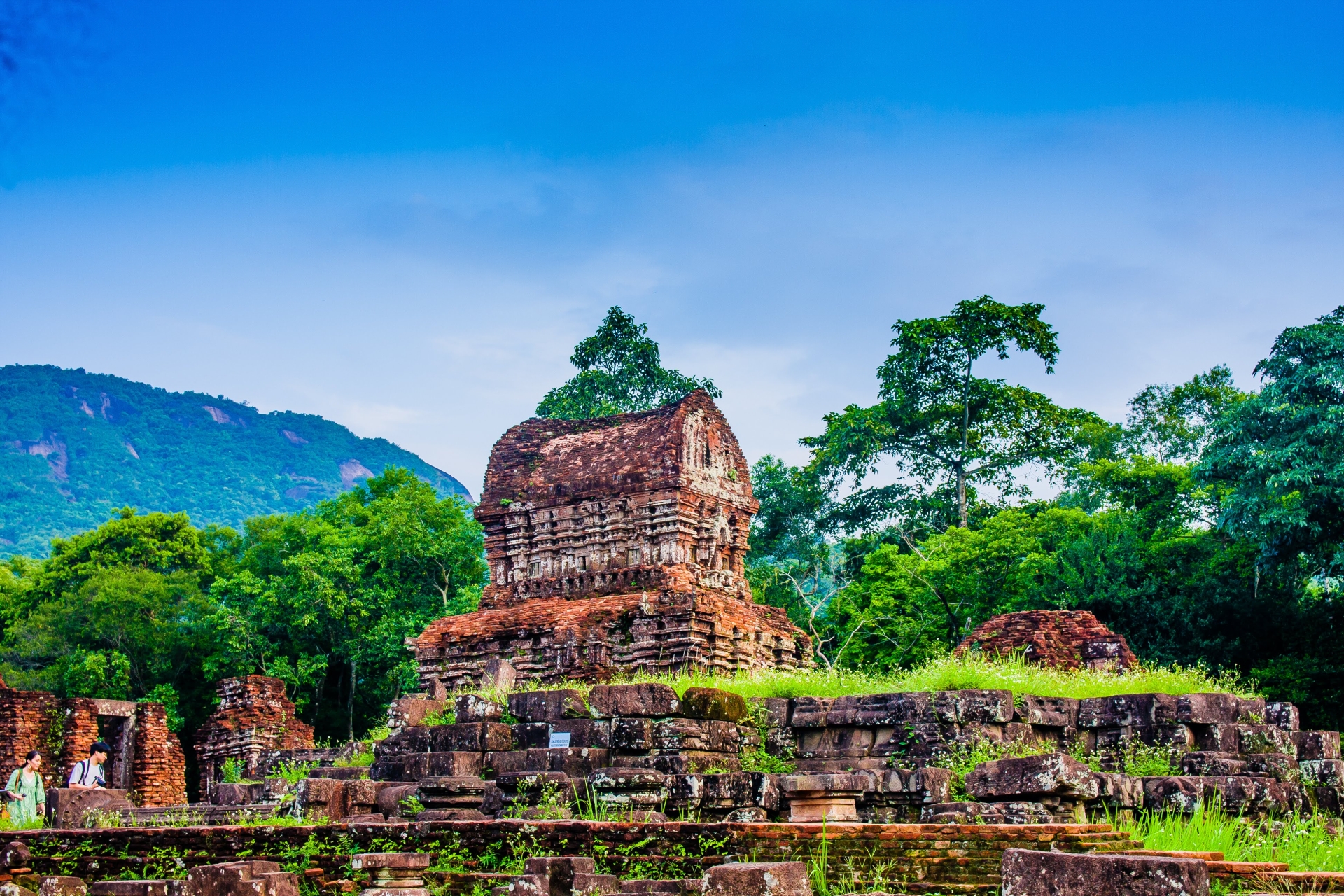
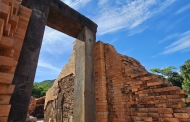
My Son Sanctuary, nestled in a lush valley in Central Vietnam, was once the religious and cultural heart of the Champa Kingdom. For over a thousand years, from the 4th to the 13th century, it served as a place of worship for Hindu deities, primarily Shiva, and as a burial ground for royalty and heroes. The complex comprises over 70 temples and tombs, each an exquisite testament to the artistic and architectural prowess of the Cham people. To approach My Son as a pilgrim is to acknowledge this sacred history and to seek a connection with the spiritual energies that have permeated this land for centuries.
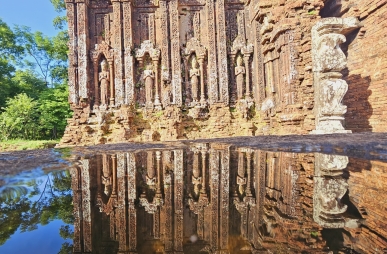
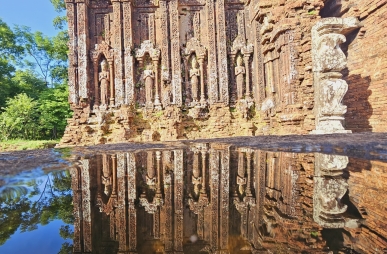
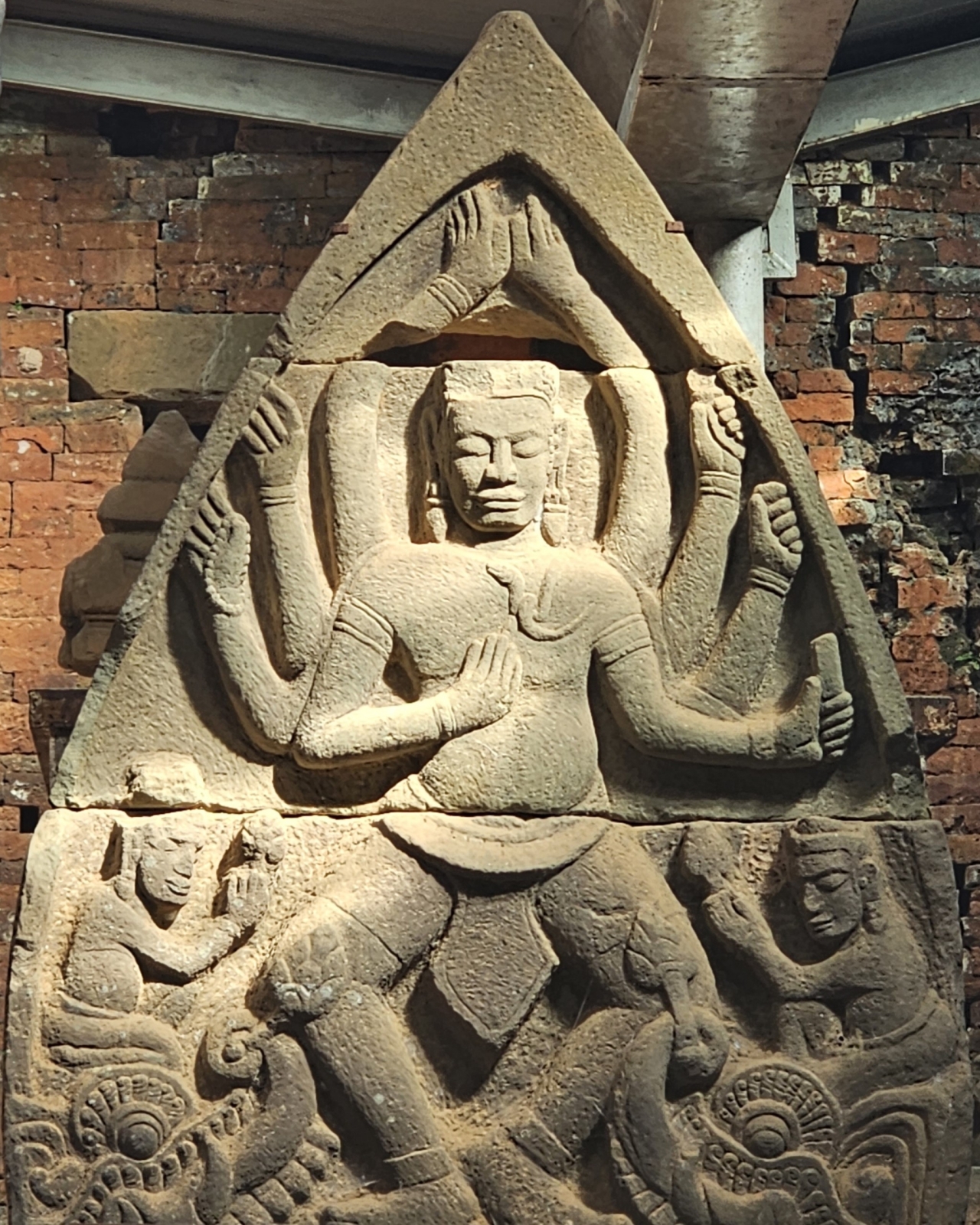
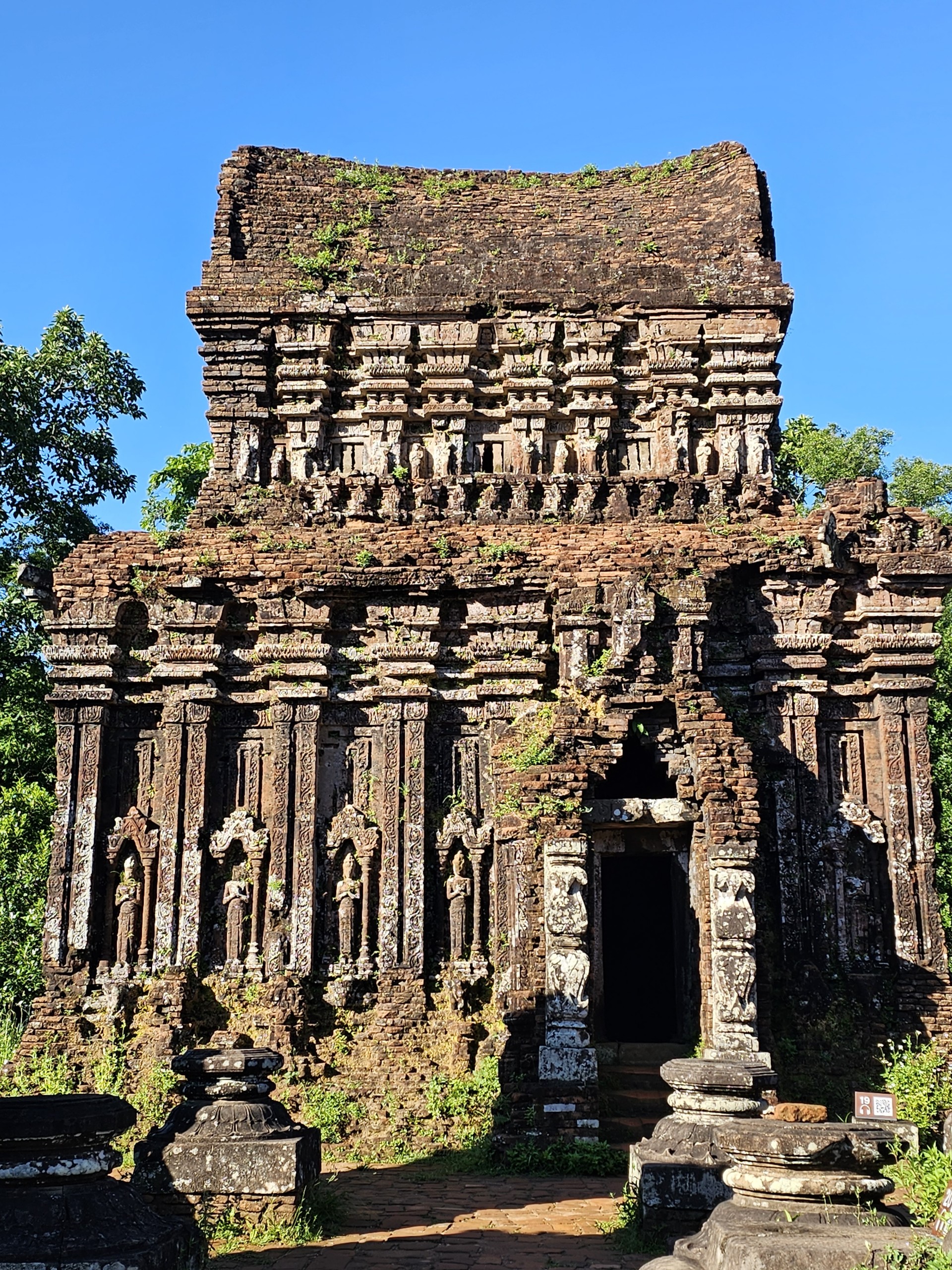
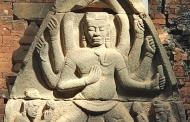
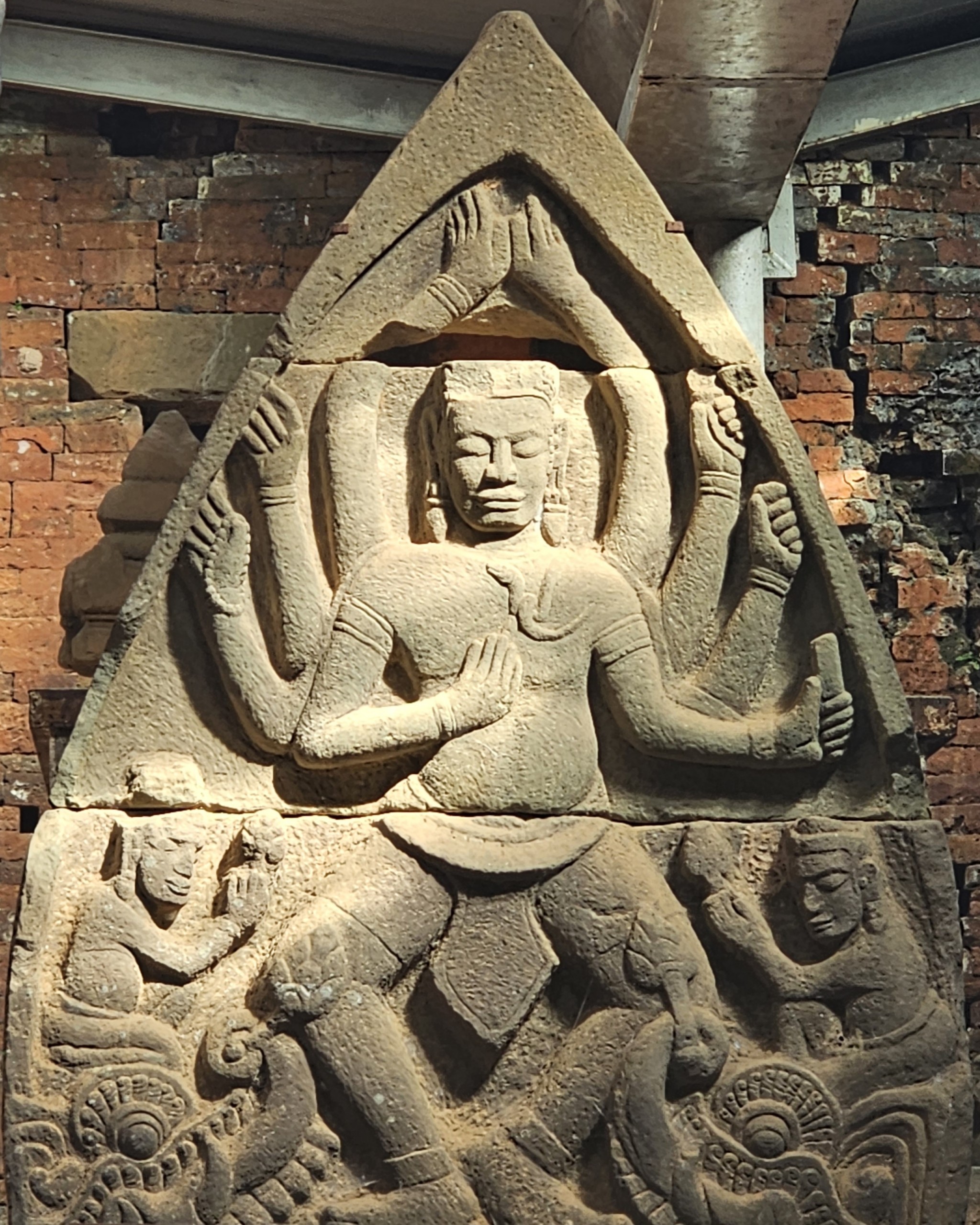
At the core of My Son’s spiritual significance is the worship of Shiva, the Hindu god of destruction and regeneration. The Linga-Yoni symbol, representing the creative union of masculine and feminine energies, is prevalent throughout the site, signifying fertility, prosperity, and the cyclical nature of life. Other deities, such as Vishnu and Brahma, were also venerated, reflecting the syncretic nature of Cham Hinduism. As you wander through the ruins, observe the intricate carvings depicting these deities, mythological scenes, and celestial dancers (Apsaras). Each motif carries layers of meaning, inviting contemplation on cosmic order and divine power.
A pilgrimage is not just about the destination but also about the inner preparation and mindful engagement with the experience. While a formal religious ceremony is not required to visit My Son with a pilgrim's heart, certain attitudes and practices can enhance your spiritual journey.
Approach My Son with reverence and a sense of awe. Let go of preconceived notions and open yourself to the wisdom and serenity of the ancient site. Consider setting an intention for your visit – perhaps seeking peace, clarity, or a deeper understanding of history and spirituality. Reflect on the lives of those who worshipped here centuries ago and their connection to the divine.

My Son is a sacred site, and it is crucial to behave with respect. Dress modestly, covering your shoulders and knees. Avoid loud conversations and intrusive photography. Take your time to absorb the atmosphere, find quiet corners for reflection, and appreciate the sanctity of the place. Remember that you are walking on hallowed ground, where prayers and rituals have been performed for millennia.
To enhance your spiritual experience, consider visiting during the quieter hours. Early morning, as the sun rises and the mist gently lifts, offers a magical and serene ambiance. Late afternoon, before closing, can also be less crowded and provide beautiful lighting for contemplation. Avoiding the peak midday heat and crowds will allow for a more intimate connection with the sanctuary.
My Son is divided into several groups of ruins, each with its unique character and significance. As a pilgrim, you can navigate these areas with a focus on their spiritual rather than purely archaeological aspects.
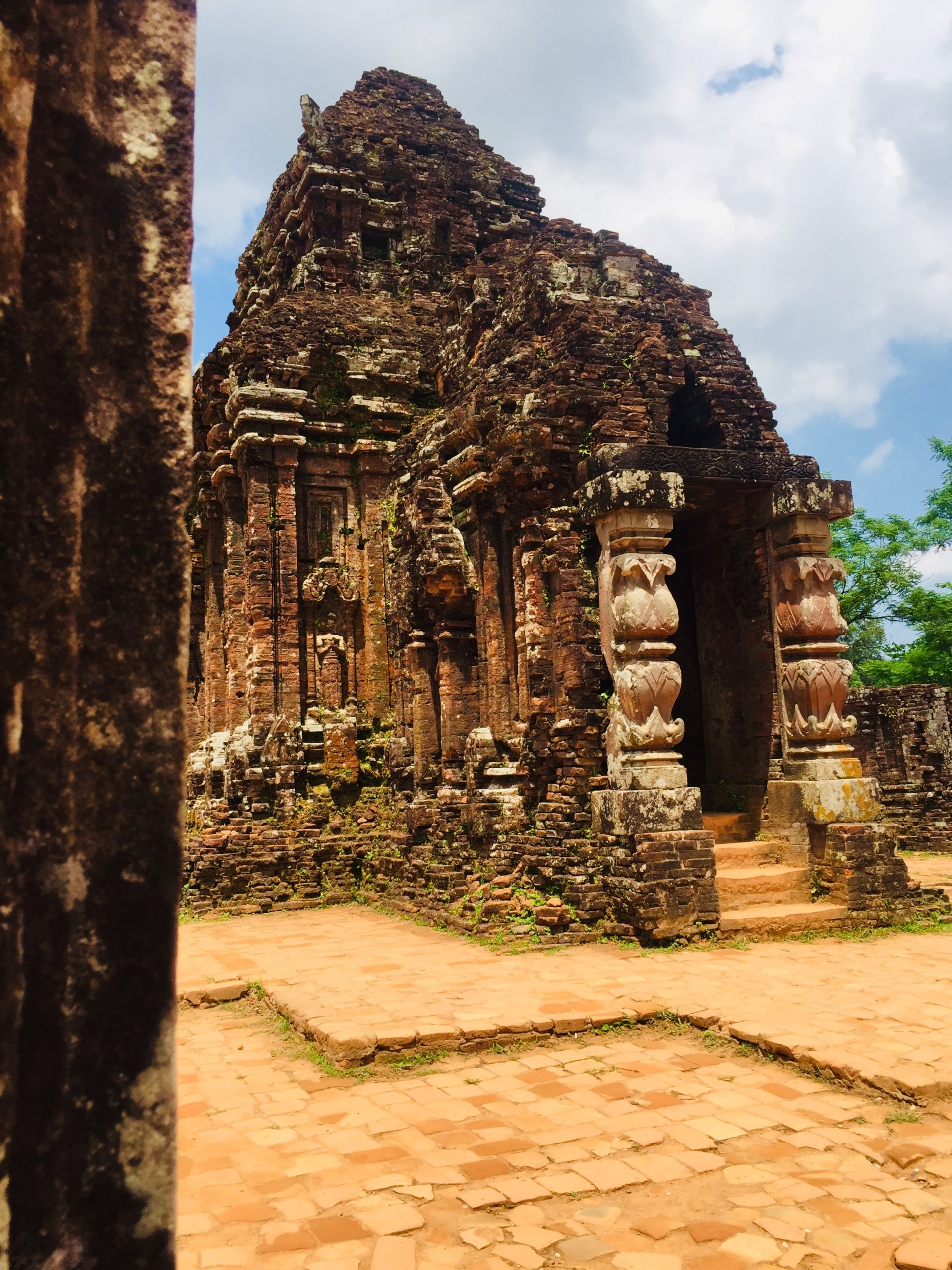
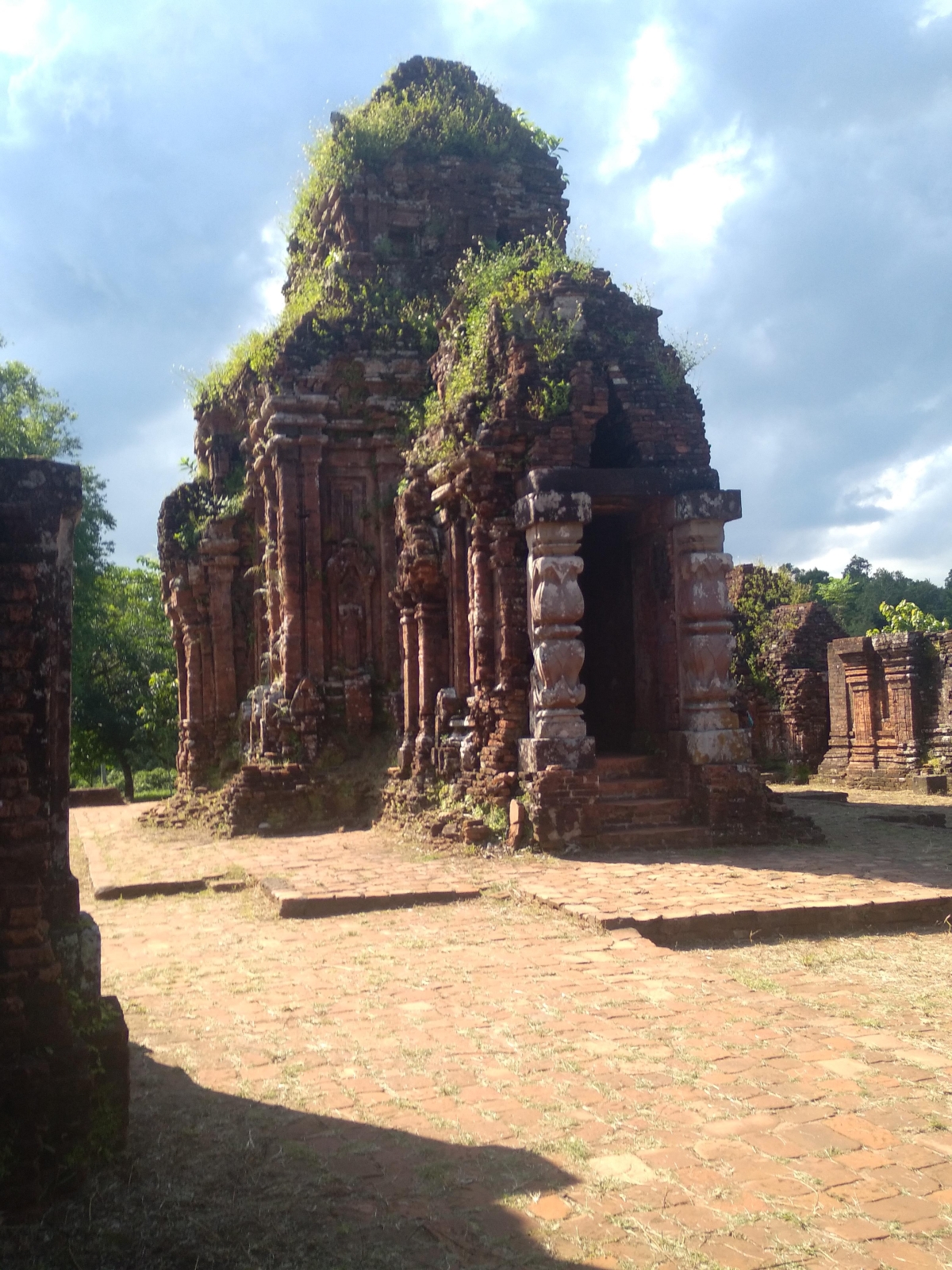
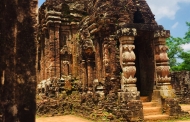
The central and most impressive structure at My Son is the main temple (Mandapa and sanctuary tower) in Group A. This was likely the most sacred area, dedicated to King Bhadravarman, who founded the sanctuary. Observe the remaining architectural elements, such as the elaborately carved lintels and pillars. Imagine the grand ceremonies and offerings that once took place here. Find a quiet spot to sit and absorb the palpable sense of devotion.
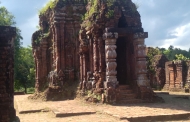
Groups B, C, and D contain various temples and structures, including those believed to be royal tombs. While the exact purpose of each building might be debated, their collective presence speaks to the reverence for rulers and ancestors within the Champa culture. Reflect on the cyclical nature of life and death, and the enduring legacy of those who shaped this civilization.
Many of the remaining carvings feature celestial dancers, the Apsaras. These figures represent beauty, grace, and divine messengers. Their presence in the temples suggests a connection between the earthly realm and the heavens, and perhaps a celebration of divine artistry. Allow yourself to be mesmerized by their elegant poses, finding inspiration in their timeless dance.
Beyond simply observing the ruins, a pilgrim seeks a deeper connection. This can be achieved through various mindful practices.
Walk slowly through the site, paying attention to the textures of the ancient bricks, the play of light and shadow, and the sounds of nature around you. Engage your senses fully. Notice the details in the carvings that might have been overlooked in a hurried visit. Each stone, each carving, has a story to tell.
Find a peaceful spot away from the main paths. Sit quietly and allow the atmosphere of My Son to wash over you. Reflect on the impermanence of empires, the enduring power of faith, and your own place in the grand tapestry of time. Imagine the prayers, rituals, and lives that unfolded here centuries ago.
Conclude your visit with a feeling of gratitude. Be thankful for the opportunity to witness such a historically and spiritually significant place. Express gratitude for the enduring legacy of the Cham people and the lessons that can be learned from their devotion and artistry. This sense of thankfulness can be a powerful element of your pilgrimage.
To ensure your pilgrimage is as smooth and spiritually enriching as possible, consider these practical tips.
While there are many Daily Tours and Package Tours available, consider opting for a tour that allows for ample time at the site and perhaps a guide who can offer insights into the spiritual and historical context. A private Car Transfer can provide flexibility and comfort, allowing you to arrive at the sanctuary at an optimal time for a peaceful experience. Companies specializing in Car Transfer services can arrange personalized pick-up and drop-off, making your journey more seamless.
Bring water to stay hydrated, especially during warmer months. Comfortable walking shoes are essential. A small notebook and pen can be useful for jotting down reflections. If you wish to offer a small token of respect, consider bringing a few flowers, though this is entirely optional. Remember your camera, but use it mindfully, focusing on capturing the essence rather than overwhelming the spiritual atmosphere.
My Son is located near Hoi An, a town rich in cultural heritage. Consider extending your stay to explore Hoi An’s ancient town, its temples, and its vibrant community. Understanding the broader cultural context can deepen your appreciation for My Son's place within Vietnam's history and spirituality.
To Visit My Son Sanctuary as a pilgrim is to embark on a journey of discovery, not just of ancient ruins, but of the human spirit’s enduring quest for connection and meaning. By approaching the site with reverence, mindfulness, and an open heart, you can uncover the sacred narratives embedded within its stones and feel the echoes of devotion that have resonated for centuries. The sanctuary offers a unique opportunity to step back in time and connect with a profound spiritual heritage, leaving you with a sense of peace and a deeper understanding of the world.
Inclusions:
+ Hotel pickup and drop-off within Hoi An. Customers staying in Da Nang can inquire for pickup/drop-off with extra charge.
+ Modern vehicle with airconditioning.
+ English speaking guide
+ Breakfast, water and coffee
Exclusions:
+ Entrance ticket at My Son Sanctuary (150,000 VND)
+ Tips and personal expenses
+ Please prepare cash for entrance ticket
+ Please prepare your sunscreen